
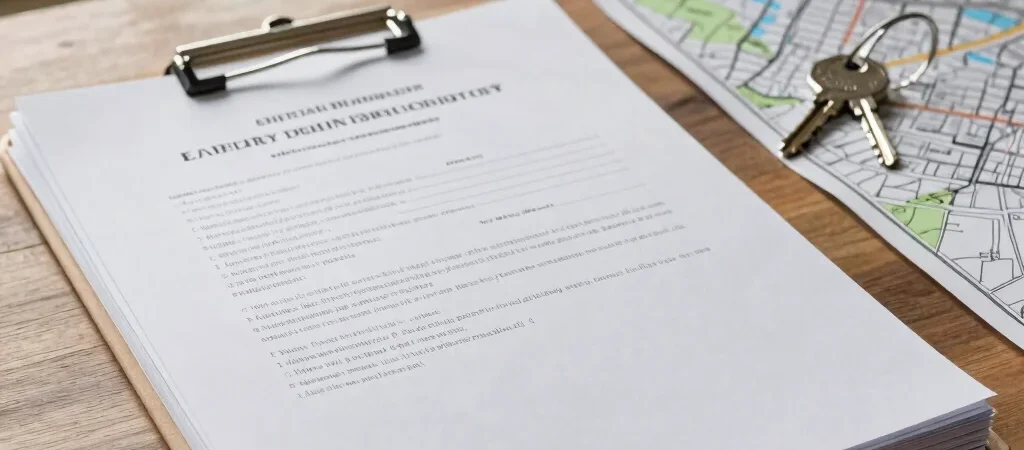
The folder for a Delhi home can include years of transfers, permissions, and society records—and the paperwork differs between a DDA flat, a cooperative apartment, and a builder floor. It is tempting to treat one document as proof that everything is in order. A better first step is to ask what each record establishes and whether it fits the property you are viewing.
Start With Ownership History
Ask for the ownership documents and the chain of transfers relevant to the property, then check that names, dates, and property details align across records. A registered document is an important part of the review, but it should be considered alongside the rest of the file. Gaps or inconsistencies deserve a clear explanation before you proceed.
Tax or municipal records can be useful for understanding how a property is recorded, but a mutation entry by itself does not establish ownership. Similarly, a receipt or utility bill may show that a payment was made without resolving who has the right to sell. Treat each document as one piece of the picture.
Check Approvals and Property Type
Confirm the property’s legal and physical description, including the plot or unit details and the nature of the building. Ask what approvals or permissions apply to that specific property, rather than assuming the requirements are identical across Delhi. A builder floor, a DDA unit, and a cooperative-society flat can involve different records and responsibilities.
If the home is in a society, request the relevant society documents and ask about outstanding dues or transfer requirements. For leasehold or conversion-related records, establish exactly what status applies and what steps, if any, remain. The seller’s summary is a starting point, not a substitute for reviewing the underlying paperwork.
Get a Property-Specific Review
Do not rely on a checklist copied from a different home or locality. Have a qualified property lawyer review the documents for the exact unit or plot, and verify records through the appropriate official channels. This is especially important when the ownership history is complicated or the building has been altered.
Keep a written list of documents received, questions still open, and who is responsible for answering them. If a key record is missing, slow the process until you understand why. For a Delhi home, clarity about the paperwork is part of understanding the property itself.